
Here is a Washington truism for 2011: It’s all about jobs, except when it is not, which is most of the time.
House …
Here is a Washington truism for 2011: It’s all about jobs, except when it is not, which is most of the time.
House …
NOTE: On Sunday, CBO changed its long-term estimates of cost savings, which it said were based on a misunderstanding of this bill. Please see this update.)
Given the drama and suspense of the past few weeks, it’s understandable that the first round of commentary about the new Senate health bill would focus on the deals that Majority …
Senator Kent Conrad today made an unusual request of the Congressional Budget Office: a 20-year cost estimate on the latest draft of Senate Finance Committee Chairman Max Baucus’ bill reforming the nation’s health care system. “We’ve got to have somebody look at this objectively and try to tell us: do we bend the cost curve the …
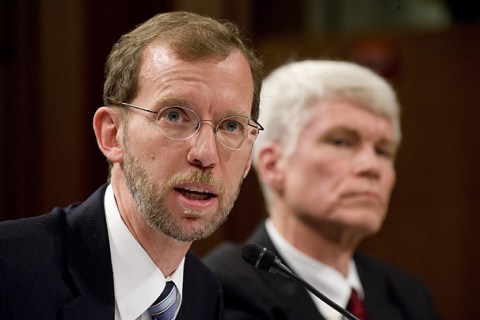
In reading the comments of CBO Director Doug Elmendorf from yesterday, a number of Swampland commenters asked what, precisely, might be done as part of health reform to (1) put more downward pressure on health costs overall and (2) make it deficit-neutral, as President Obama has promised.
Today, OMB Director Peter Orszag reminds …